



Latest Agbada Styles for Ladies
2026-08-08
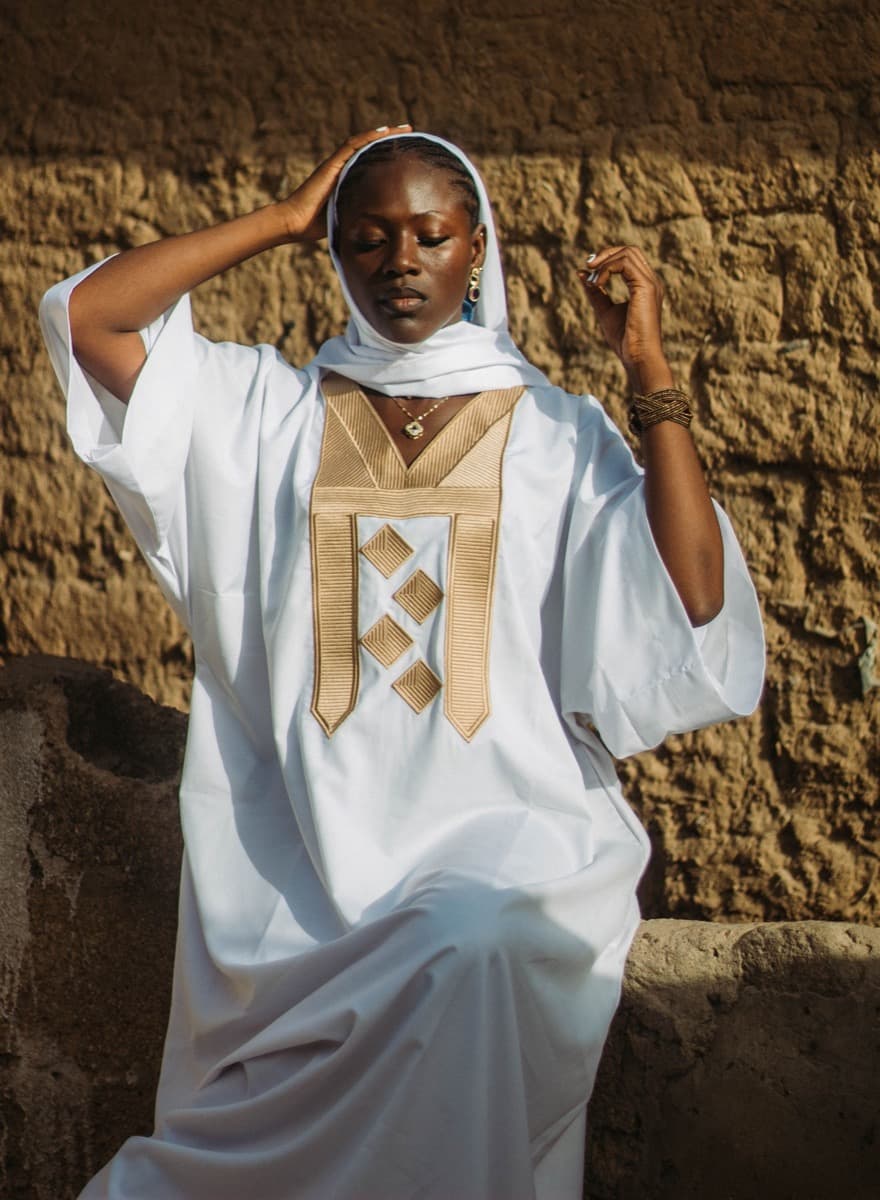
A women's agbada isn't just another name for a flowing bubu gown — it's a deliberate borrowing of a silhouette historically reserved for men. Where a bubu is about soft, relaxed volume, a women's agbada leans into the same oversized drama, structured chest embroidery, and robe-like presence as the men's ceremonial version. The whole appeal is that it reads as menswear-coded power dressing, not casual "soft life" wear.
Here's what actually separates it, and what's trending.
What Makes It "Agbada" and Not Just a Bubu
There's no fixed, codified structure for women's agbada the way there is for the men's four-piece set — it's a styling trend, not an inherited tradition, and it's worth being upfront about that rather than pretending otherwise. What consistently shows up across current examples: an oversized robe or gown with dramatic wide sleeves, heavy embroidery concentrated at the chest, worn as an outer layer over trousers or a fitted underpiece, sometimes cinched at the waist with a belt to give it shape. The common thread is borrowing menswear silhouette codes on purpose — the oversizing and structure are the point, not an accident of a loose cut.
Traditional Yoruba bridal wear for women, for comparison, isn't agbada at all — it's buba, iro (wrapper), ipele, and gele, with agbada reserved for the groom. Women wearing agbada-coded pieces today is a modern crossover, not something inherited from that tradition.
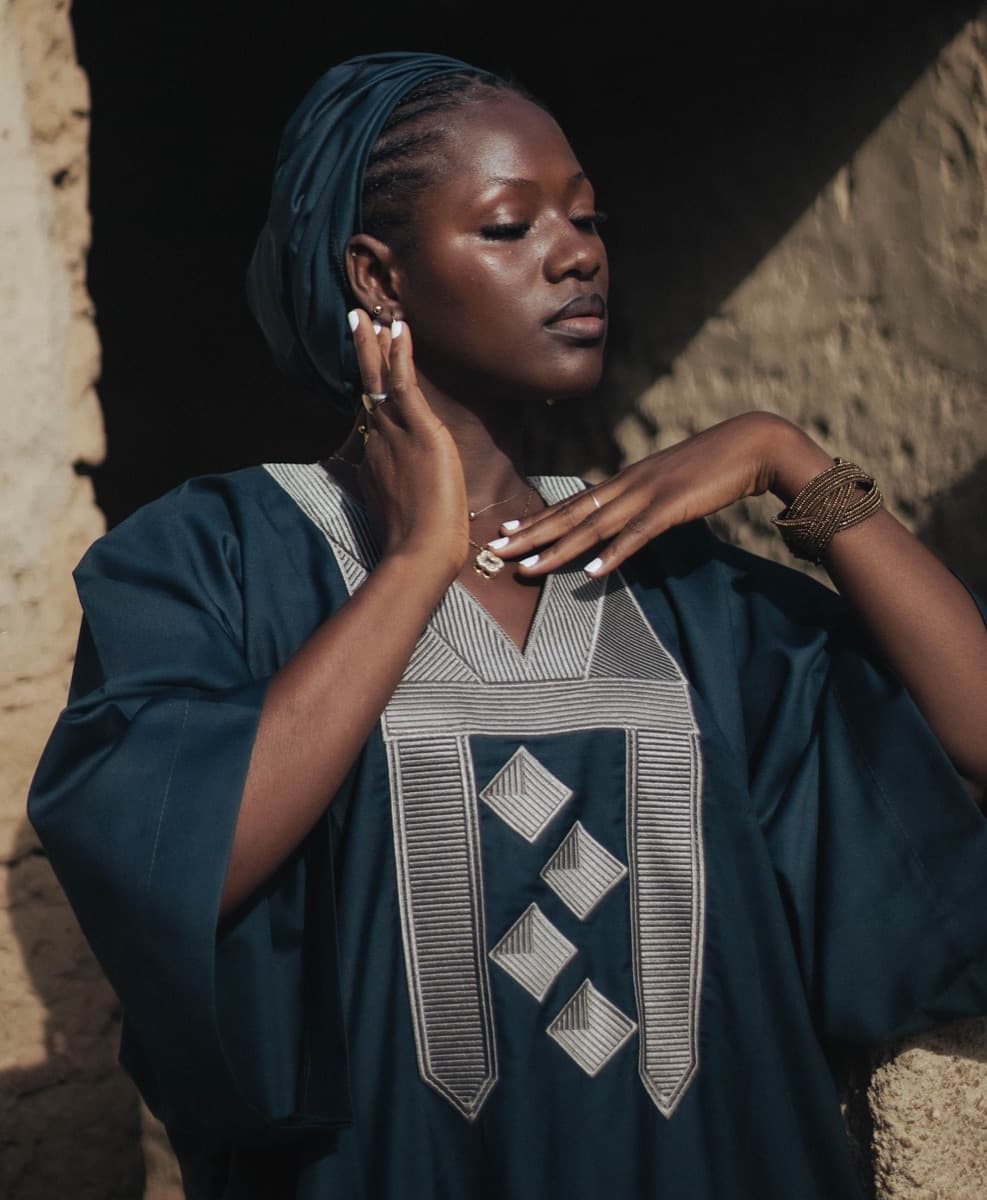
The embroidery is doing the same job it does on the men's version — announcing structure and formality on what would otherwise be a plain oversized robe.
Current Styles
A few silhouette variants show up repeatedly in current styling: the full agbada gown, worn as a single robe-like dress; agbada over trousers or jeans, often with the inner shirt and cap skipped entirely for a more casual, contemporary take; and agbada with a skirt underneath rather than trousers. A cropped agbada jacket — shorter than the full-length version, worn over trousers or even joggers with sneakers — is the style's more experimental, younger-skewing direction right now. Belting at the waist to define shape against the oversized cut is a recurring detail across most of these variants.
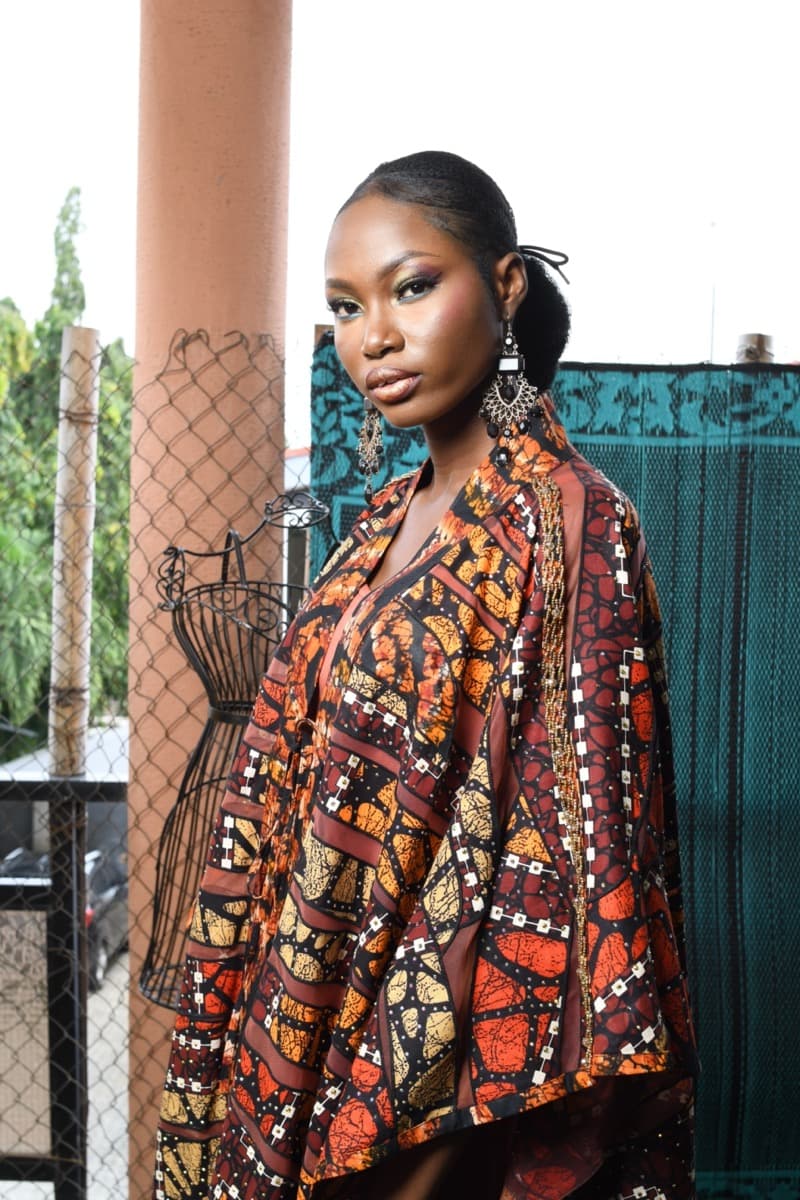
The full agbada gown — worn as one robe-like dress rather than layered over trousers or a skirt.
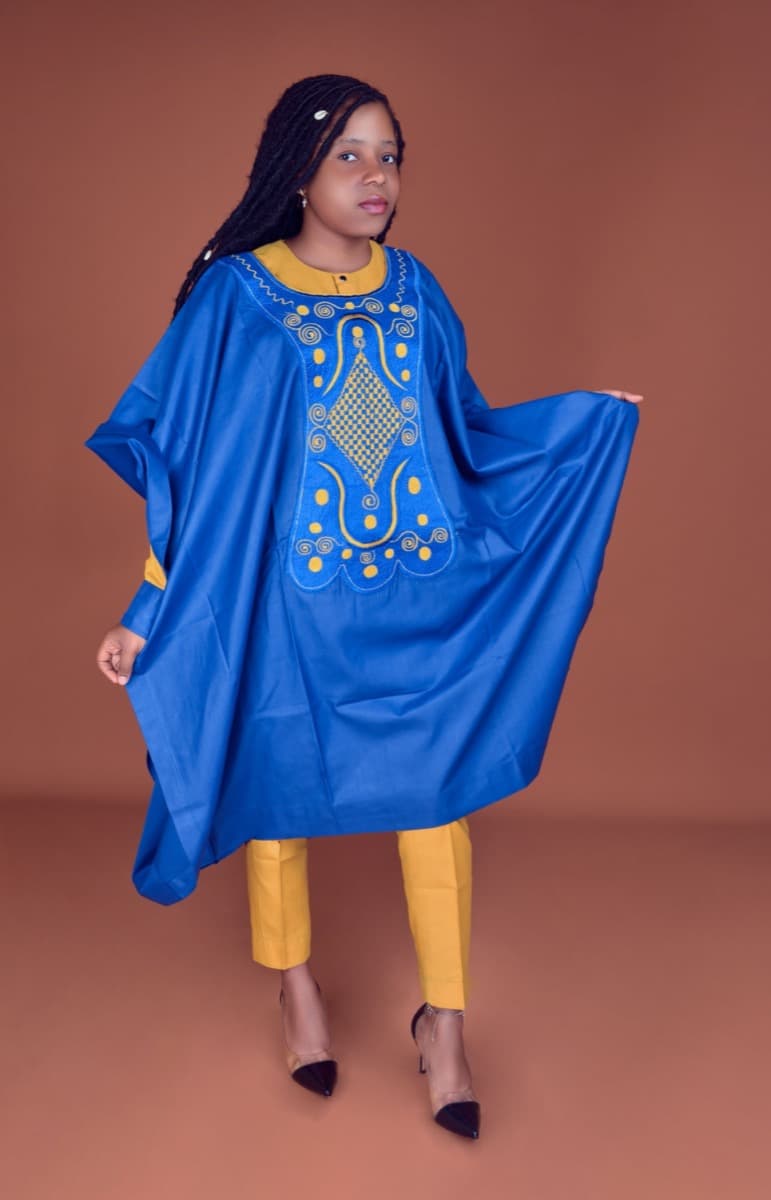
Agbada worn as an outer layer over trousers rather than as a full dress — one of the most common ways this style actually gets worn.
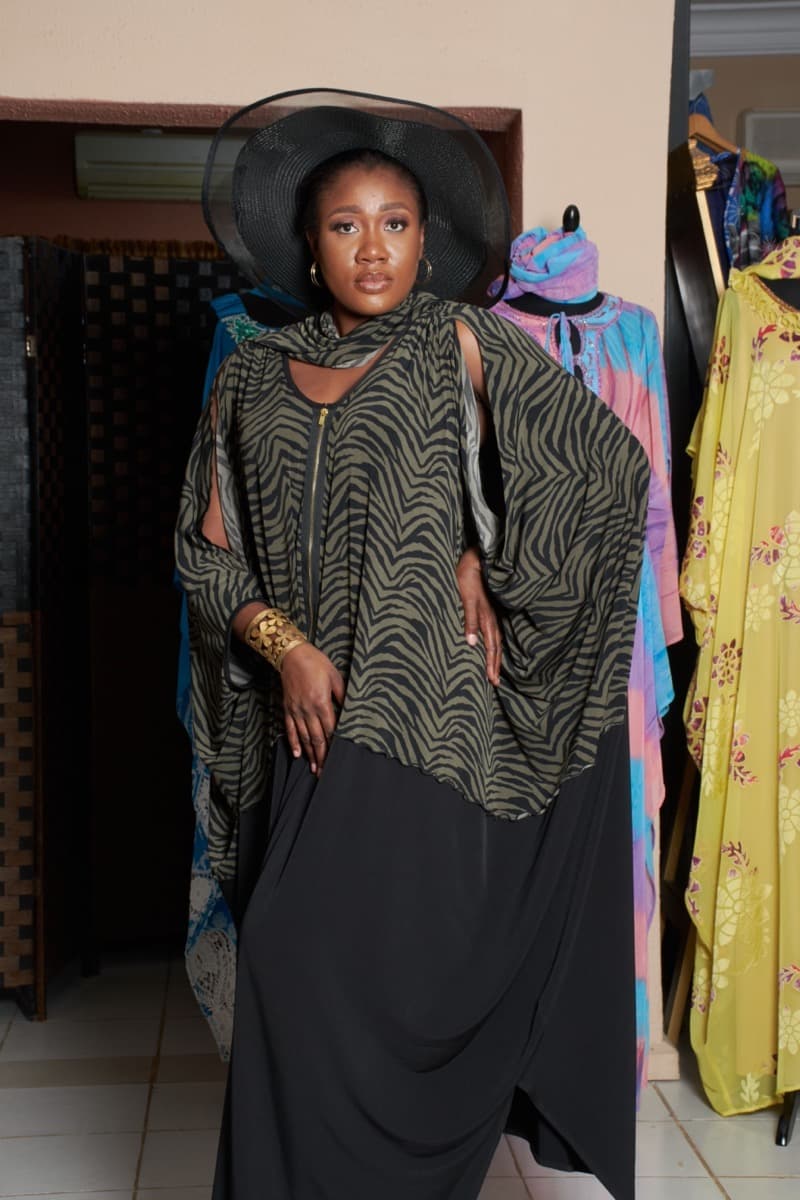
The same oversized, structured top half, this time worn over a skirt instead of trousers.
One concrete, real example worth knowing: Nigerian media personality Nancy Isime wore a grey maxi agbada-style piece by designer Toju Foyeh — black chest embroidery, sheer paneling at the sides over a white skirt, red beads, and a matching gele — to a formal reception hosted by the British High Commission. It's a useful reference point for what "agbada styling, not costume" looks like in a real, current, non-wedding context.
Fabric
The fabric landscape here is the same one covered in our aso oke and lace-focused posts — aso oke, lace, ankara, chiffon, and George fabric are all in circulation for this style, with aso oke in particular being reworked into more structured pieces for women generally, not just agbada-styled ones.
Designers Worth Knowing
Kenneth Ize is worth knowing here specifically because most of his aso oke customer base turned out to be women, which pushed him to expand his aso oke work — originally developed for structured menswear — into wide-cut womenswear: tunics, blazers, and dresses with fringe and drape sleeve detailing. Toju Foyeh, the designer behind the Nancy Isime look above, is a more direct reference point for a specific, real women's agbada-style piece rather than a general aso oke reputation.
Occasions
Weddings and aso-ebi group dressing are the most common context, alongside broader formal and cultural events — the British High Commission reception example above shows this isn't strictly wedding-only. It's worth being cautious about assuming this style shows up at chieftaincy title ceremonies specifically; that's plausible but not something we could confirm.
What to Budget, and Caring for It
Pricing specific to women's agbada isn't reliably documented anywhere we could find — the general agbada pricing figures in circulation online are inconsistent with each other and not tied to named retailers or tailors, so we're not going to hand you a number we can't stand behind. Get a real quote from your tailor once you've settled on fabric and how much embroidery you want.
Care follows whichever fabric you choose — our aso oke guide covers handwoven care, and standard lace care applies for lace pieces.
Ordering Yours
Because this is a styling trend rather than an inherited structure, the most useful thing to bring your tailor is a reference photo of the specific silhouette you want — full gown, over-trousers, or cropped jacket — since "agbada for ladies" alone doesn't specify a fixed cut the way ordering a men's agbada does. If you want the softer, more traditionally feminine version of a flowing robe instead, our bubu gown guide covers that different, more relaxed category.