



Latest Ankara Styles for 2026
2026-08-07
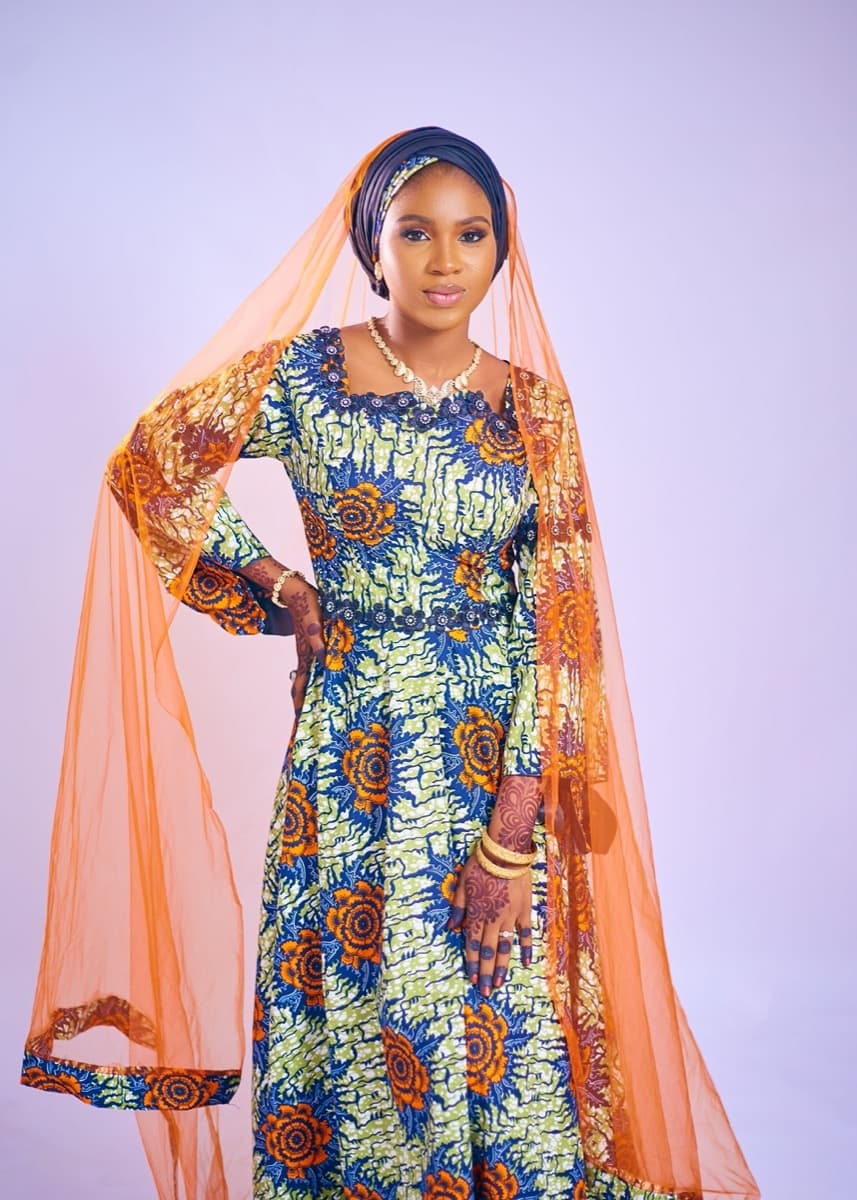
Ankara right now means corset tops and gowns with real structure, two-piece sets for everyday wear, oversized tailored blazers, and mixed-print styling — pairing ankara with denim, lace, or a second clashing print instead of keeping it as one uniform fabric head to toe. If you're ordering something new, those are the silhouettes to bring to your tailor.
Here's the fuller picture — what ankara actually is, what's trending, and what to budget.
What Ankara Actually Is
Ankara is a wax-printed cotton fabric — not handwoven like aso oke, but industrially printed using a wax-resist dyeing process. Wax is applied to plain cotton cloth in the pattern design, the cloth is dyed, and the wax-covered areas resist the dye; the process repeats for each color before the wax is washed out. The wax often cracks slightly during production, giving genuine wax prints their characteristic marbled texture — a "flaw" manufacturers now deliberately preserve because it reads as a mark of quality.
The fabric's history is more layered than "purely African" — worth knowing, not just as trivia. The technique started as a Dutch attempt to mechanically replicate Indonesian batik for export to the Dutch East Indies in the 19th century; the machine-made cracking and bubbling that resulted was considered a flaw by Indonesian buyers, who largely rejected it. West African traders responded to it enthusiastically instead, and Dutch and British manufacturers began designing patterns specifically for West African taste from the 1890s onward. One historian's framing captures it well: the fabric's African identity isn't about where it originated, but about who adopted it and made it their own. That adoption is now generations deep — which is exactly why it reads as authentically Nigerian today, origin story aside.
The word "ankara" itself is believed to trace back to Hausa traders using the name for Accra, Ghana — a major trade port the cloth passed through — rather than any connection to the Turkish capital.
Ankara vs. Aso Oke
The practical difference that matters for ordering: ankara is printed, aso oke is handwoven. That makes ankara faster and cheaper to work with — no strip-piecing, no fraying concerns, no need for a tailor with specific handwoven-fabric experience. It's also why ankara takes a much wider range of silhouettes easily, including the fitted, structured styles below, without the construction challenges a coarser handwoven fabric presents.
What's Actually Trending in 2026
Corset Tops and Gowns
Structured, boned bodices are currently one of the dominant ankara looks for weddings and parties — a clear step up from the loose-fit styles ankara is traditionally associated with.
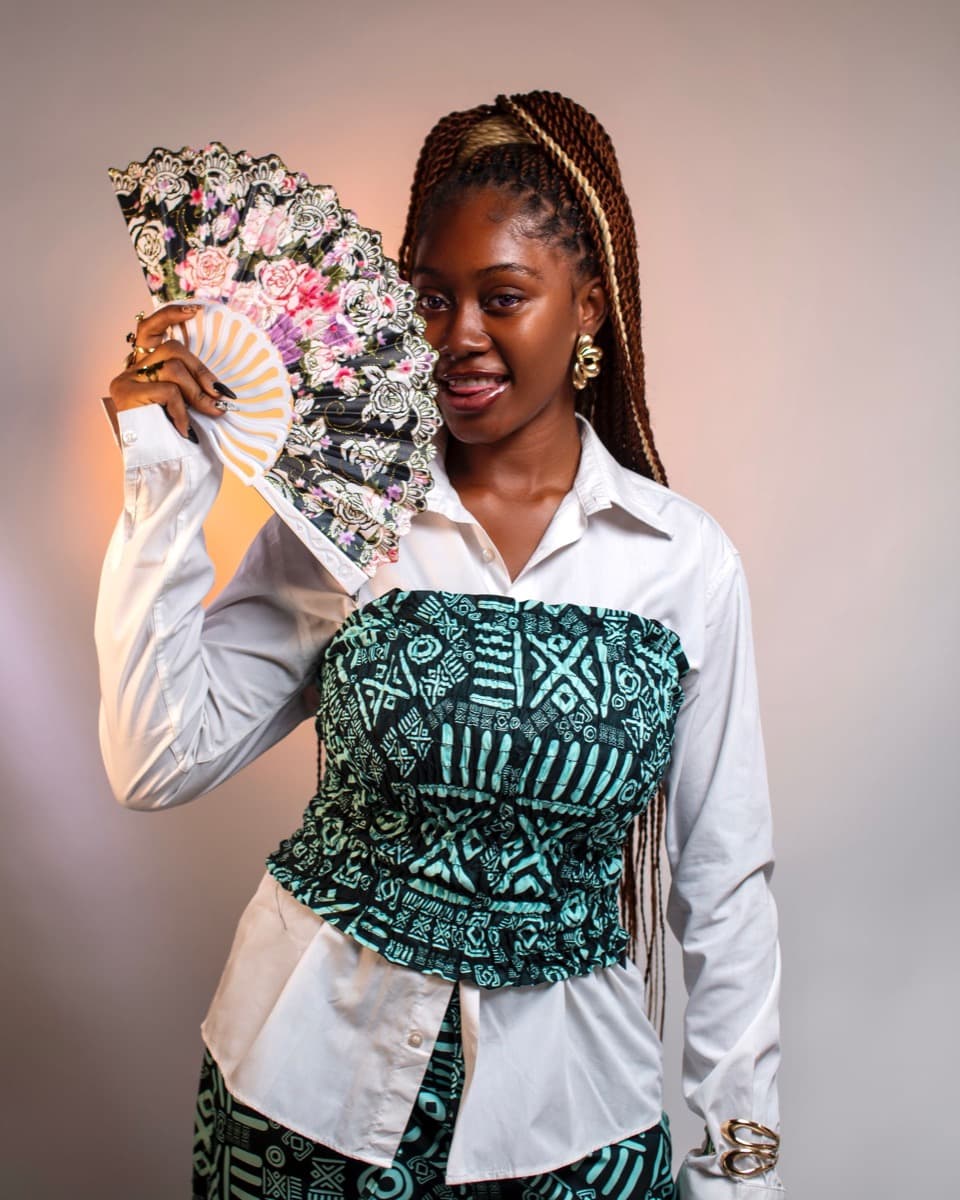
A boned ankara corset worn over a plain shirt — structure the fabric was never traditionally cut for.
Structured, Oversized Blazers
Tailored ankara blazers, sometimes belted or cropped, worn for both workwear and evening looks, increasingly paired with jeans rather than a matching ankara bottom.
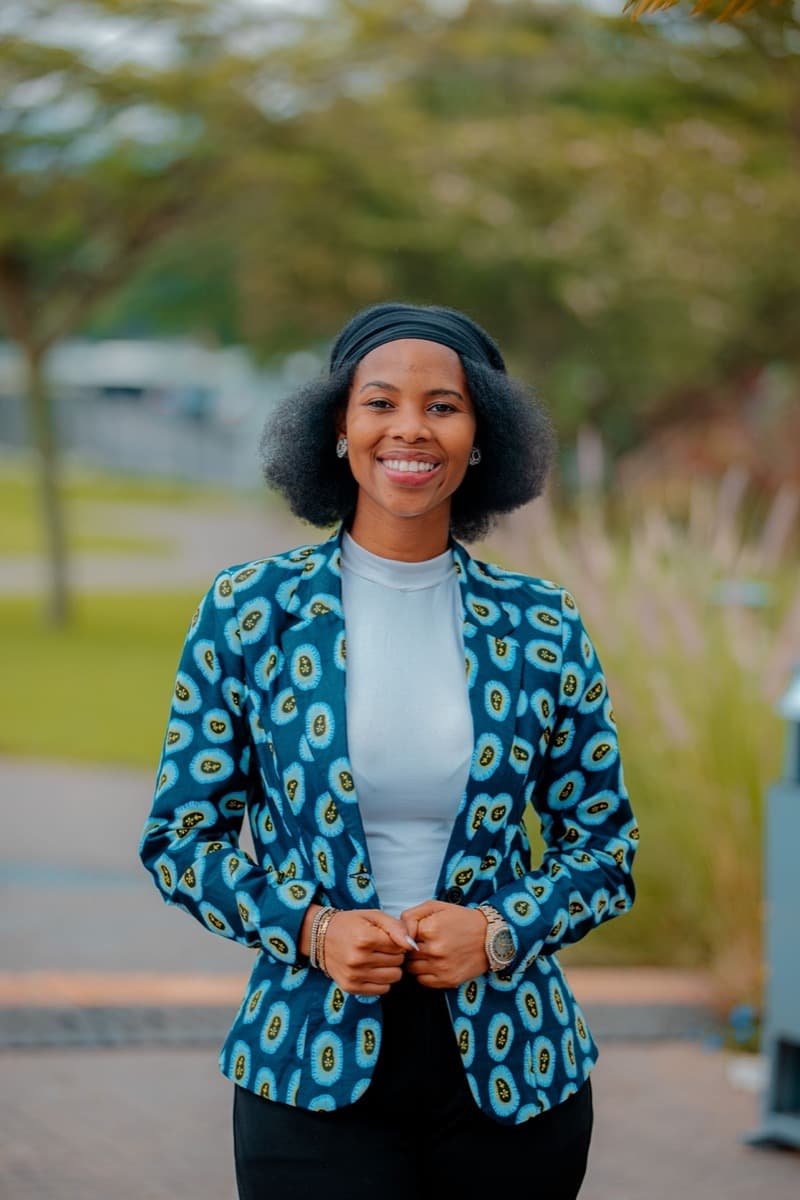
A fully tailored ankara blazer — smart enough for work, distinct enough to stand out.
Mixed-Print Styling
Combining two different ankara patterns in one outfit, or pairing ankara with denim, lace, or chiffon instead of keeping the whole look in one print.

Ankara doing the main work, lace filling in the sleeves and neckline — two fabrics, one outfit.
Mermaid Silhouettes
A fitted, modern evolution of the traditional iro-and-buba shape — fitted through the body, flaring toward the hem instead of hanging loose.
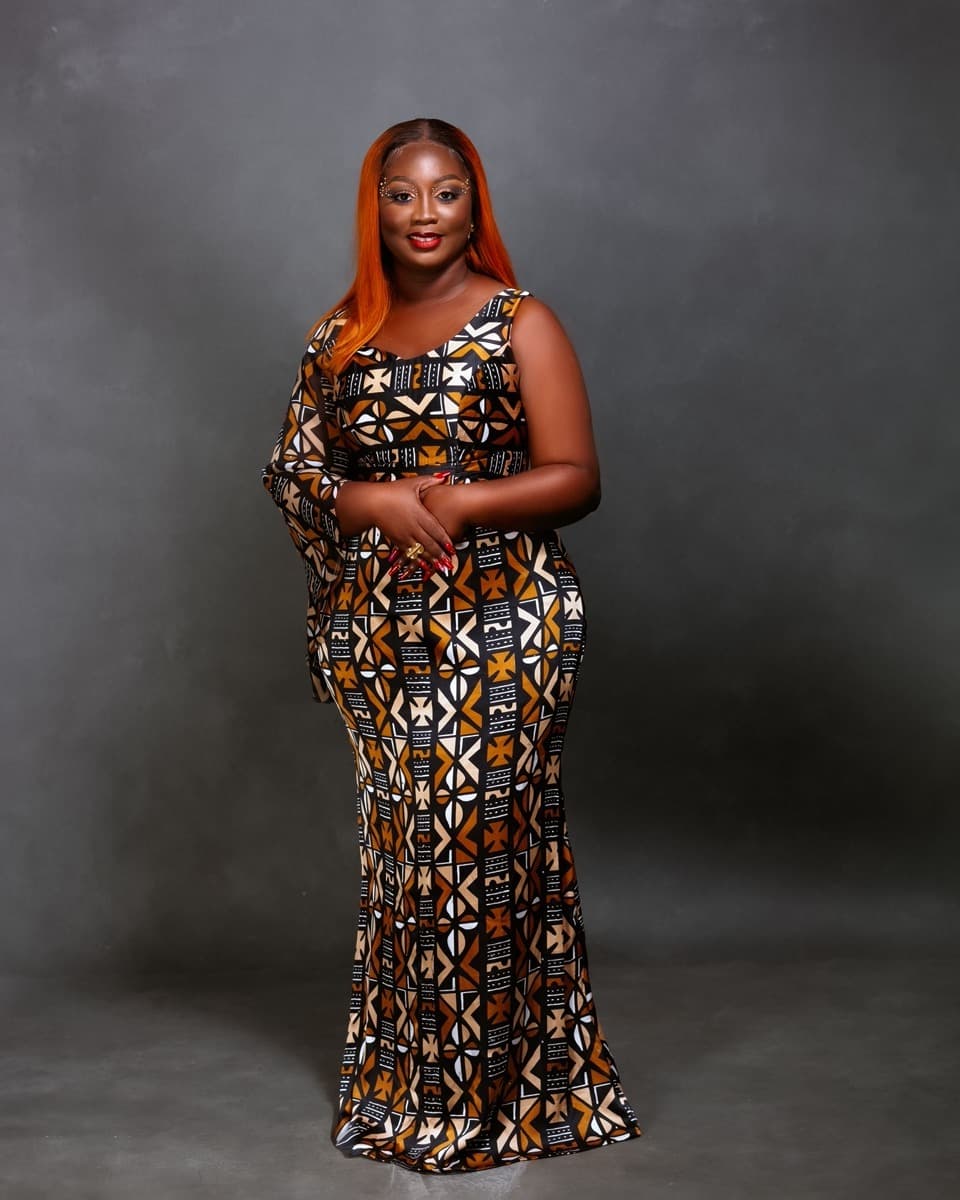
Fitted through the torso and hips, flaring out below the knee — a modern cut for a decades-old fabric.
Two-Piece Sets
Separate top-and-bottom combinations, worn casually rather than as formal wear.
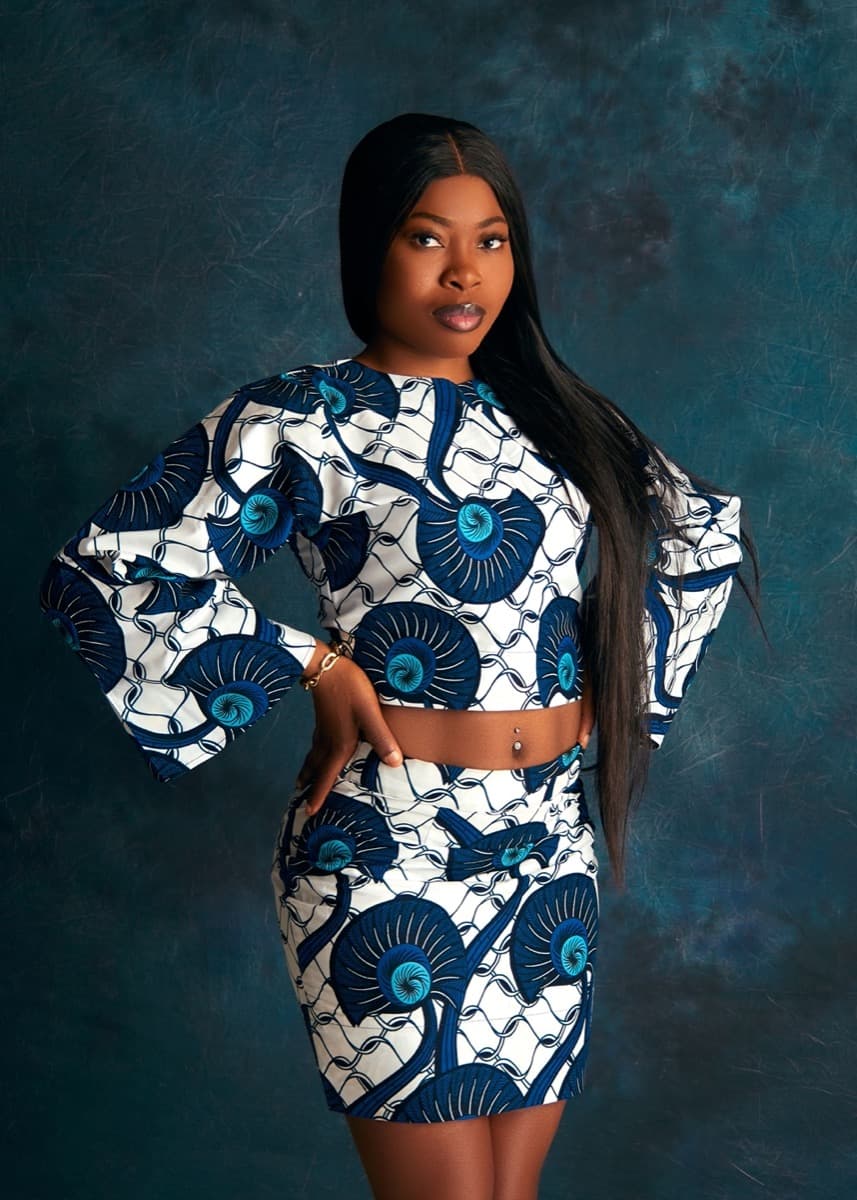
A matching crop top and skirt — ankara styled for everyday wear, not just special occasions.
Also Worth Knowing
Jumpsuits, wrap gowns, and kimono-style sets round out the current range beyond the classic gown-and-headwrap look.
Worth noting: ankara wasn't among the headline fabrics at Lagos Fashion Week's 2025 edition — that spotlight went to aso oke instead. Ankara's 2026 relevance is showing up more in everyday and wedding-guest fashion coverage than on the runway right now.
Designers Worth Knowing
Lisa Folawiyo (Jewel by Lisa) is the name most associated with elevating ankara — she's known for pioneering heavily embellished ankara, adding beading and Swarovski crystal work to wax-print fabric on runways and in ready-to-wear, which helped bring the fabric into global fashion coverage well beyond Nigeria.
What to Budget
Ankara is dramatically cheaper than aso oke, since it's machine-printed rather than hand-loomed. Standard retail runs roughly ₦3,000-₦8,000 for a 6-yard bundle — the typical sales unit in Nigeria — with premium, higher-grade prints (like genuine Dutch wax) running higher, up to roughly ₦50,000 depending on brand and quality. Treat these as a general starting point rather than a fixed price, since fabric costs shift with import rates.
Caring for Ankara
Ankara is far more forgiving than handwoven fabric — standard cotton care, not the delicate handling aso oke needs:
- Test for colorfastness before the first wash.
- Hand-wash or use a gentle machine cycle in cold water with a mild detergent — a teaspoon of salt in the wash is commonly recommended to help set the dye and reduce bleeding.
- Line-dry rather than tumble-dry, and avoid long stretches in direct sun, which fades the print.
- Iron the fabric inside-out to protect the printed surface.
Ordering Yours
Because ankara doesn't require the specialized handling aso oke does, most tailors can work with it confidently — the main thing worth confirming upfront is fit and structure, especially for corset or fitted styles, since those need real boning or interfacing to hold their shape. If you're weighing ankara against a handwoven option for your next order, our aso oke guide covers the other side of that choice.