



Buba and Iro Styles Making a Comeback
2026-08-08
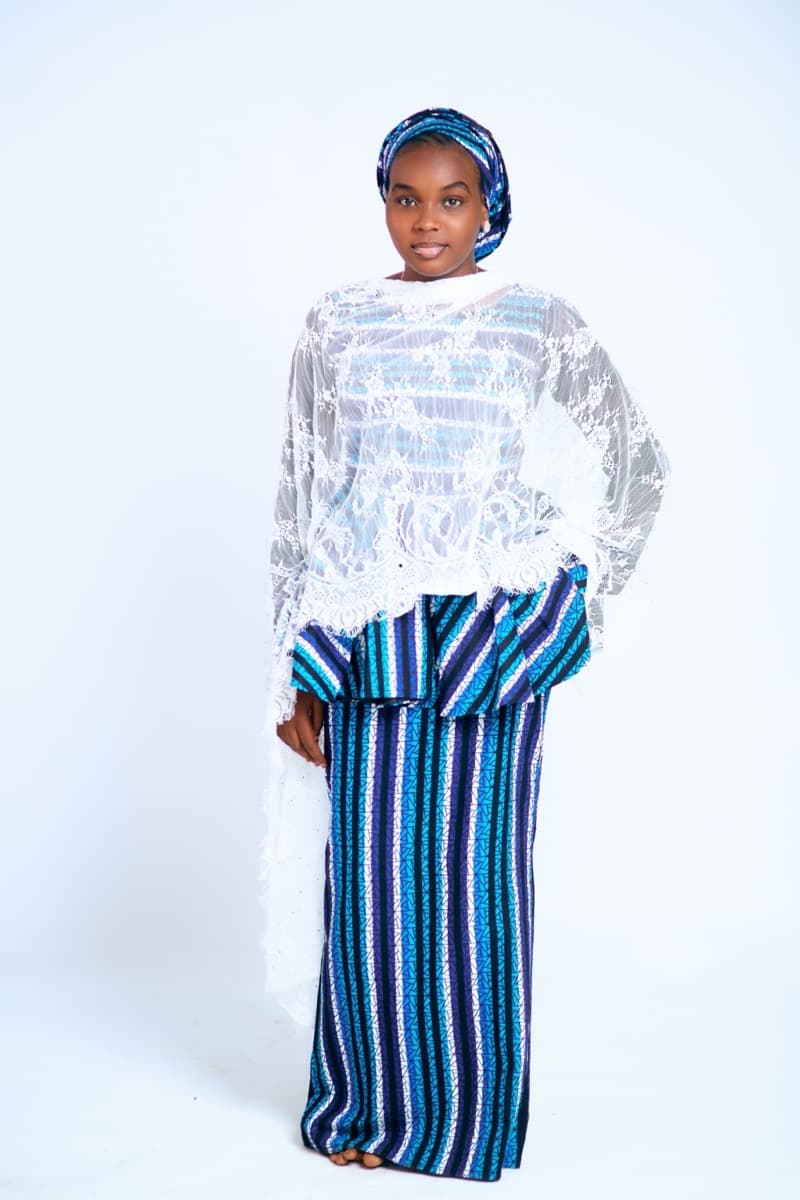
Buba and iro is genuinely back in a real way — not just a slow news day trend piece. It was the dominant look at Ojude Oba 2026, Nigerian fashion press has been calling it a "renaissance," and celebrities have been reworking it into modern owambe looks. Here's what's actually in the ensemble, and what's driving the current wave.
What's Actually in the Ensemble
Buba is the loose, round-neck blouse — sleeve length has varied by era, from elbow-length in older styles to the shorter "Oleku" cut that became iconic in a previous revival. Iro is the wrapper skirt, a large rectangular cloth tied at the waist, worn floor-length or below the knee depending on styling. Ipele is a shoulder sash or extra wrapper piece, draped over one shoulder or the waist, or carried over the forearm. Gele completes it as the headwrap.
There isn't a single formal name for the full four-piece look the way "agbada" names the men's ensemble — it's referred to descriptively as "iro ati buba" (literally "wrapper and blouse"), understood to include the gele and ipele as part of the complete traditional outfit.
Not the First Comeback
This is worth knowing because it adds real context: the current wave isn't buba-and-iro's first return from the sidelines. The style had a real resurgence in the late 1990s and early 2000s, sparked directly by Tunde Kelani's 1997 film "Oleku" — the short-sleeve buba and short iro that became known as the "Oleku style" caught on with a younger generation and pulled the outfit out of relative decline. That trend then ran through a second peak roughly between 2012 and 2018, the same window Deola Sagoe launched her 2012 "Komole" collection, reworking the ensemble into structured aso-oke bridal and occasion wear. The current 2025-2026 wave is best understood as another renewal of a cycle this outfit has been through more than once before, not a first-time rediscovery.
What's Trending Now
Real 2026 coverage from Ojude Oba — the Ijebu-Ode festival where buba-and-iro dominates the traditional processions — shows two fabric approaches both in active use: stiffer fabrics like aso oke and damask for a structured, statuesque look, and softer fabrics like lace and adire that move more freely with dancing and walking.
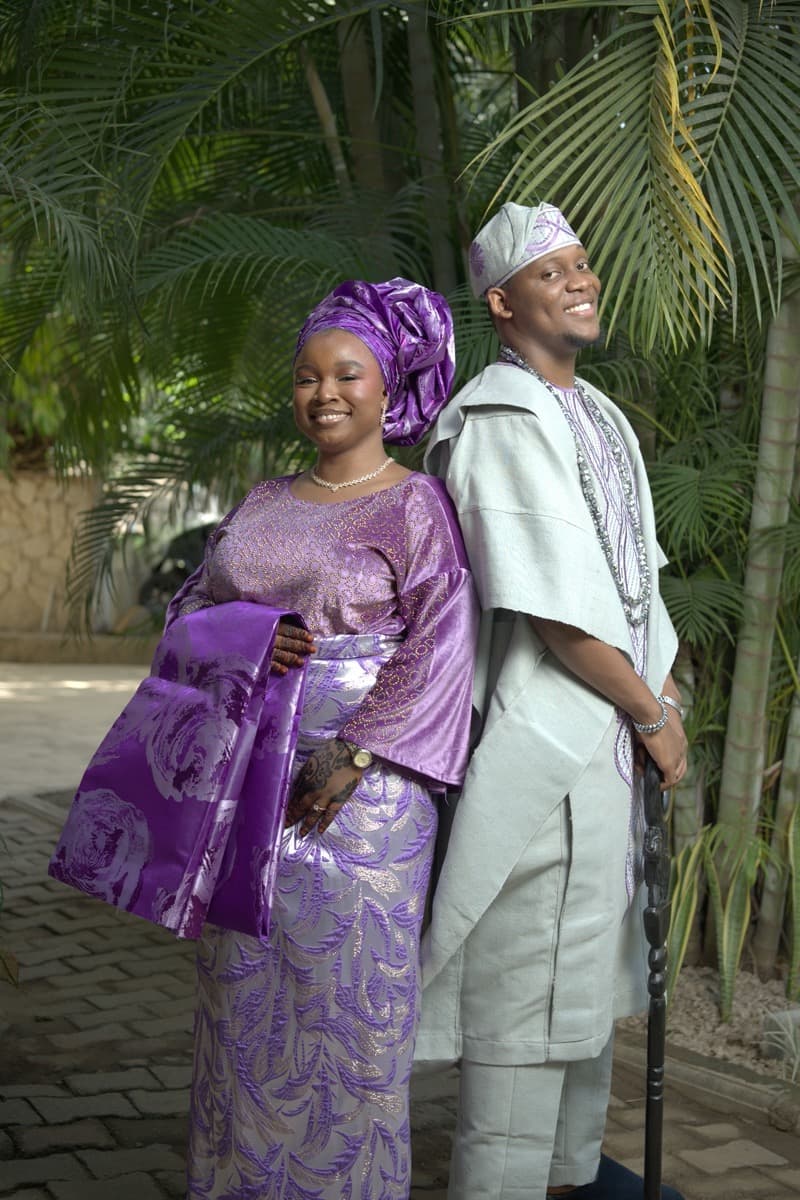
The structured, statuesque end of the range — stiffer brocade and metallic fabric holding real shape.
Coordinated group dressing, where a whole social or age-grade group wears matching buba-and-iro, is a real, documented current styling practice at these events.
On the more modern, reworked end, buba is also showing up paired with a mini skirt instead of the traditional full iro — a real departure from the classic pairing, seen in current owambe styling rather than traditional festival dress.
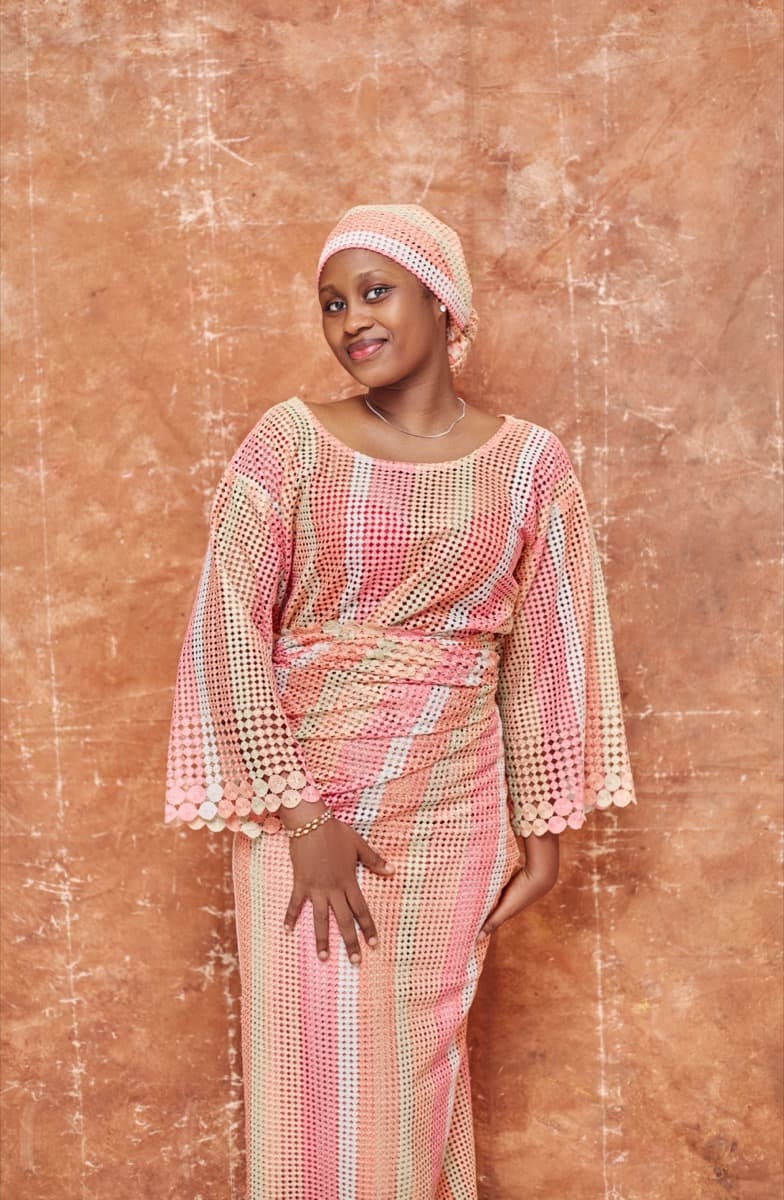
The softer end of the range — crochet lace with real movement in the sleeves, a different feel from the structured brocade look above.
Fabric
Aso oke, damask, lace, adire, and silk (sometimes called aso-olona) are all real, current fabric choices for this specific ensemble — not just generic Nigerian fashion fabrics, but ones specifically documented in current buba-and-iro coverage.
Designer Worth Knowing
Deola Sagoe is the clearest name tied to this style specifically — her Komole collection, launched in 2012, reworked iro-and-buba into structured aso-oke bridal wear with an hourglass silhouette, and is still referenced in current coverage as having redefined luxury bridal wear built on this traditional base.
Occasions
Ojude Oba is the strongest current example of buba-and-iro as dominant traditional dress, alongside traditional weddings (where it's standard bridal wear, distinct from the groom's agbada) and owambe events, where the modern reworked versions tend to show up. It's also worth noting this look never fully disappeared among older Yoruba women — the "comeback" is really about renewed interest from younger wearers, not a rediscovery of something that had vanished entirely.
What to Budget
Pricing specific to this exact ensemble isn't well documented as its own category, and we don't have a solid Naira figure to hand you here rather than guess. As a rough point of reference, our senator wear and agbada guides cover real, sourced Naira pricing for comparably-simple to heavily-embellished native wear — iro-and-buba tailoring costs likely sit in a similar range, but get an actual quote from your tailor once you've picked fabric and styling rather than anchoring on a borrowed number.
Ordering Yours
If you're weighing this against agbada-style options for a woman's outfit, buba-and-iro is the traditional choice — our agbada for ladies guide covers the more modern, menswear-coded alternative if you want something different. And once you've got the outfit sorted, our gele guides cover the headwrap that completes it.