



Traditional Nigerian Outfits for Children: A Parent's Guide
2026-08-08
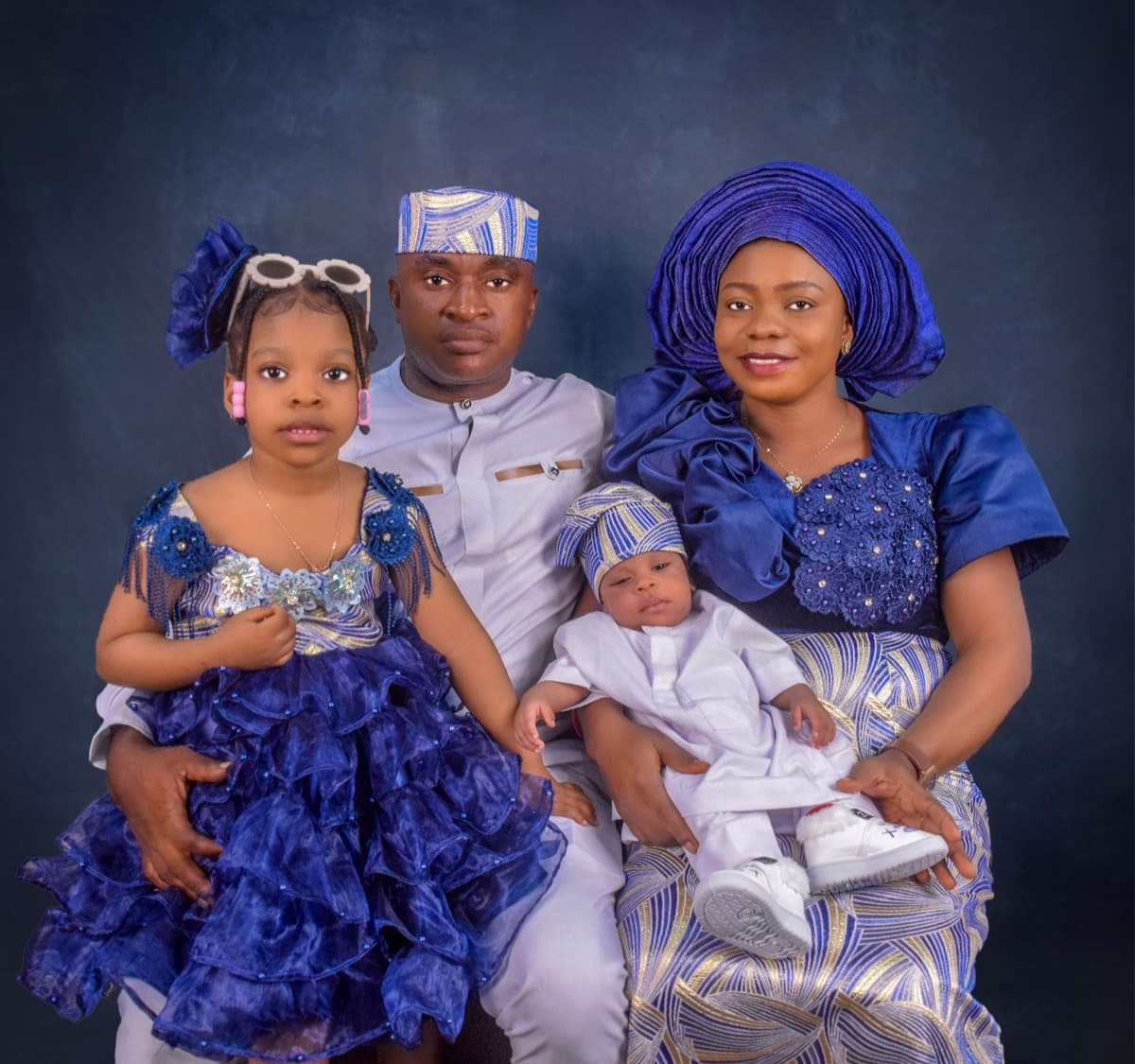
There isn't a real, documented "kids traditional wear trend" the way there is for adult styles — searching fashion press for it mostly turns up seller listings and Pinterest boards, not actual reporting. What genuinely is documented is narrower and more useful: real occasions where Nigerian children wear traditional dress, a well-established baby-boy category, and one actual named children's-wear designer. Here's what's real, and what we're not going to pretend is a trend just because it would make for a tidier post.
The One Real Trend Story: Ojude Oba
If there's a genuine, press-covered example of children in traditional Nigerian dress, it's the Ojude Oba festival — the annual Ijebu Yoruba celebration in Ogun State. Coverage from Guardian Nigeria and Channels TV documents families turning out in coordinated, multi-generational traditional outfits, and fashion coverage of the 2025 event specifically noted children walking in velvet slippers and mini geles, with families reportedly commissioning bespoke, coordinated outfits months in advance and engaging stylists to align every generation's look. That's a real, specific, sourced detail — not a general claim about "kids fashion trending."
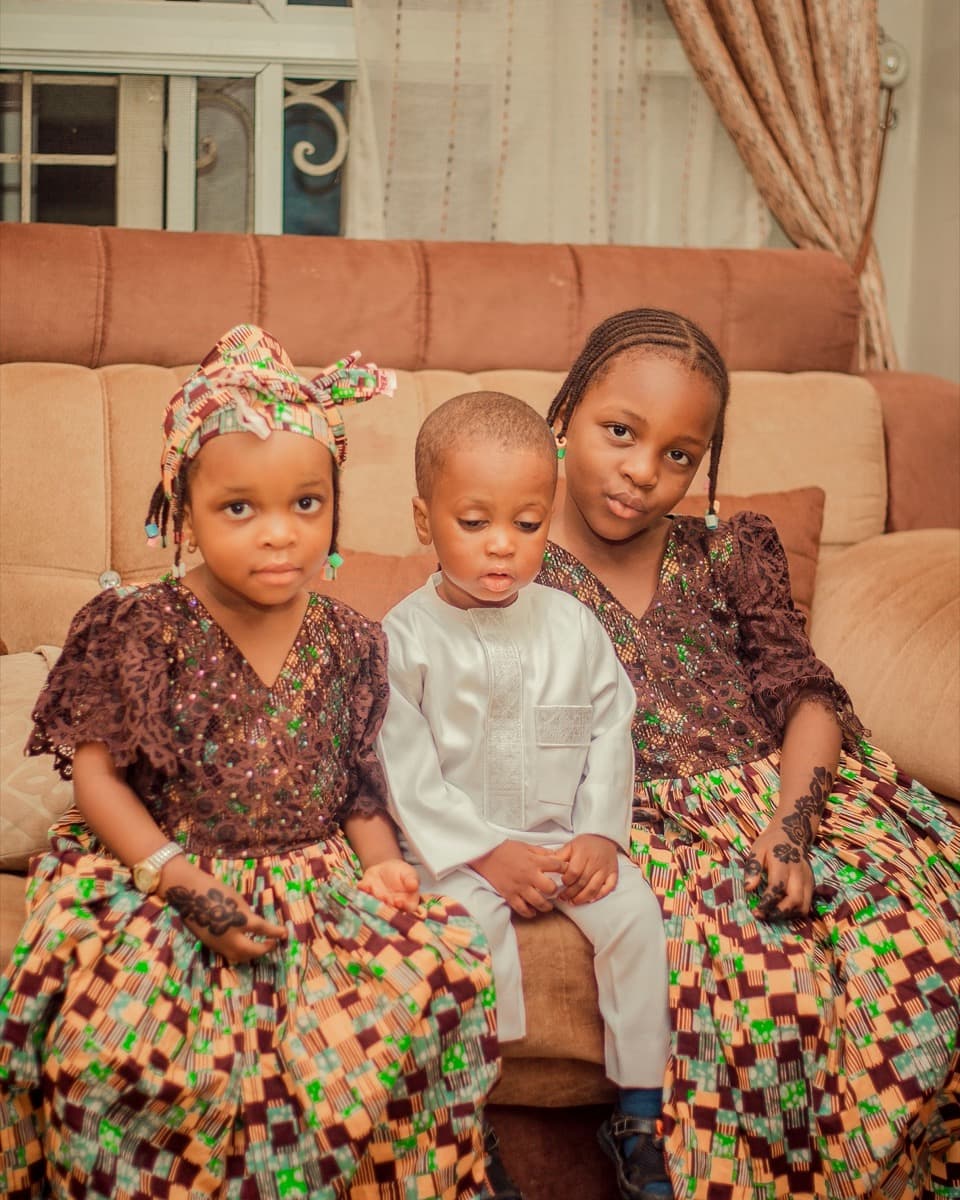
Coordinated sibling dressing — matching prints for the girls, a senator-style outfit for the boy.
Senator Style for Baby Boys
This is the one children's-specific category with real, consistent grounding in the tailoring trade, even if the sourcing is commercial rather than editorial: a scaled-down senator outfit — the same two-piece top-and-trousers structure covered in our senator wear guide — is a well-established choice for baby boys at naming ceremonies, often styled as a matching father-and-son look. It's less a "trend" than an established convention, similar to how a full-size senator outfit works for adult men.
Aso-Ebi, Extended to Kids
Aso-ebi — family or group members wearing the same fabric to a wedding or celebration — is one of the most extensively documented traditions in Nigerian dress. What's less documented specifically is children's aso-ebi as its own category; press coverage of the broader tradition rarely isolates the kids' version. In practice, though, coordinating a child's outfit fabric with the rest of the family for a wedding is a natural extension of a tradition that's already well established for adults — we just don't have a dedicated source treating it as a distinct trend story.
Fabric
Cotton and linen show up consistently in listings for baby and toddler traditional wear, prioritized for comfort and breathability rather than any documented technical claim. For the broader range of children's traditional wear, ankara, lace, aso-oke, adire, and velvet are all in circulation — the same fabric family covered across our other guides, just cut smaller.
A Real Designer Worth Knowing
Toddler Clan Limited, founded by Tejumola Maurice-Diya, is a genuine, documented Nigerian children's-wear brand specializing specifically in adire, aso-oke, and ankara for kids. She started the brand after struggling to find quality African children's clothing following her own child's birth, bringing a fashion design background — including experience as an associate designer in the US — into a children's-specific line. It's a rare case in this topic where we found an actual named, verifiable designer rather than a generic listicle name.
What We're Not Going to Tell You
A few things came up in research that we could not verify, and we'd rather say so than invent an answer: there's no reliable sourced data on children's traditional-wear pricing in Nigeria (adult agbada pricing figures exist but don't transfer cleanly to kids' sizing or a different garment scale), no documented industry standard on sizing tolerance for growing kids (ordering looser to account for growth is a reasonable parenting instinct, but not something we found actually reported on), and no sourced guidance specific to Nigerian children's traditional wear on embellishment safety for younger kids — general common-sense caution around small beads or embellishments applies to any children's clothing, but we couldn't find reporting that ties it specifically to gele or aso-oke pieces.
Occasions
What's consistently, if not deeply, documented: naming ceremonies and christenings (especially for the senator-style baby outfit), weddings via the aso-ebi tradition, and cultural festivals like Ojude Oba. Owambe parties, Christmas, and school cultural days come up in lower-quality parenting-blog sources as general occasions — plausible, but not backed by the same level of sourcing as the three above.
Ordering Yours
Since there's no reliable pricing data specific to children's wear, get an actual quote from your tailor once you've picked fabric — and if you're coordinating a family aso-ebi look, our other style guides (agbada for men, agbada for ladies, aso oke) cover the adult versions you'd be matching the child's outfit to.